



New National Cancer Plan announced February 2026
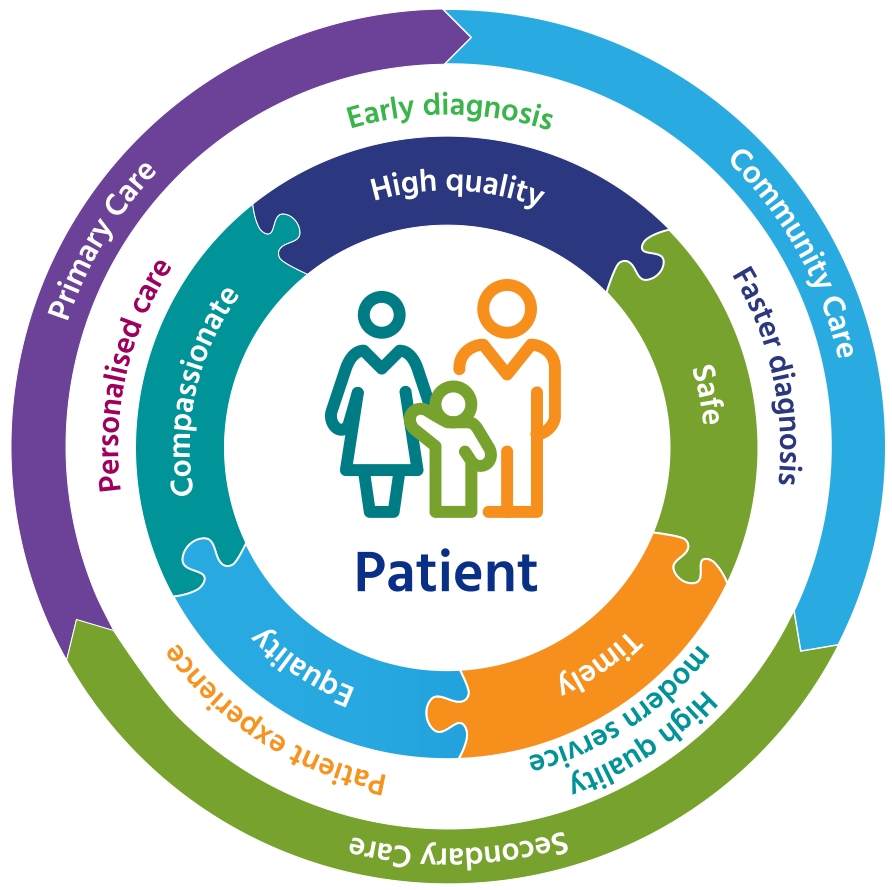
We are pleased to see the publication of the National Cancer Plan. Here at SWAG Cancer Alliance, we support the commitments to ensuring more people survive cancer, are diagnosed earlier and faster, and receive more personalised support.
The Somerset, Wiltshire, Avon & Gloucestershire Cancer Alliance is the forum to bring providers and commissioners together with patients, to co-design services to optimise pathways, ensure effective integration and address variation, and are the vehicle that leads the activity required at a local level to meet the ambitions set out by the National Cancer Programme Team.
The Cancer Alliance puts clinical leaders across primary, secondary, and tertiary care in the driving seat for improving quality and outcomes across cancer pathways, based on shared data and metrics. Continuing to deliver the strategy and its programmes will require committed leadership, smart choices around investing to save, and a firm intent to try new approaches and test new models of care.
About SWAG Cancer Alliance
We are responsible for leading the local delivery of the national cancer strategy which sets an exciting vision for the transformation of cancer services.
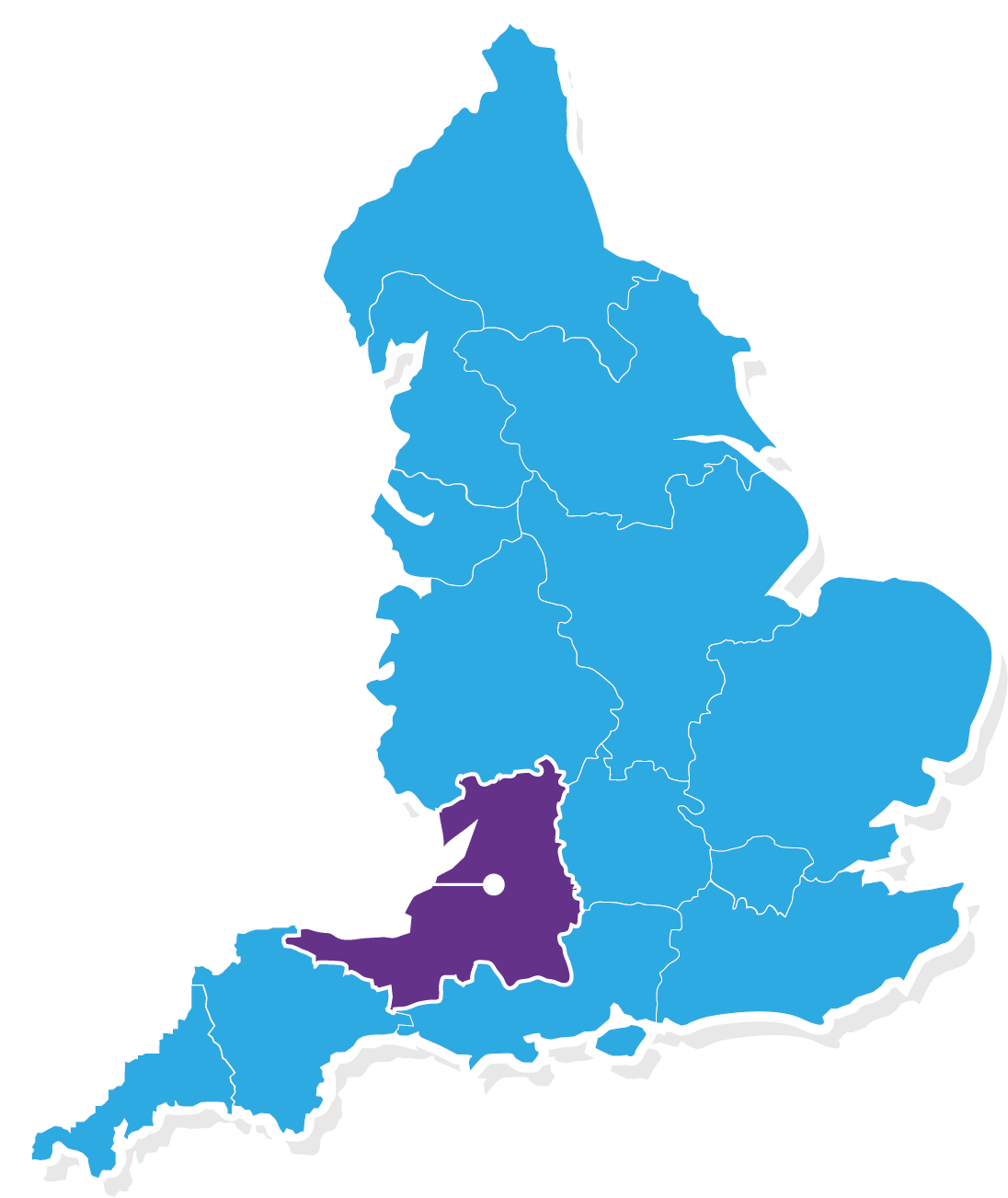
Our Priorities






Our Priorities
Early Diagnosis
Early Diagnosis
Faster Diagnosis
Faster Diagnosis
Innovation and Research
Innovation & Research
Treatment and Care
Treatment and Care
Health Inequalities
Health Inequalities
Patient Engagement
Patient Engagement
Latest news

Celebrating World Radiography Day: South West Late Effects Team
Radiotherapy is a key element of modern cancer treatment, enabling thousands of people to live longer after a cancer diagnosis. But with this progress comes a challenge: 1 in 4 people…

Liver Cancer Awareness Month: Catching Liver Disease Early Saves Lives
Primary Liver cancer is one of the fastest-rising causes of cancer death in the UK. Yet, it often goes undetected until it’s too late. At Somerset Wiltshire Avon & Gloucestershire…
New partnership launched to reduce inequalities in access to cancer care
A new partnership has launched which aims to uncover inequalities and barriers to accessing cancer care and shape how services can be improved for the most vulnerable people in Somerset,…
