

Early Diagnosis and Health Inequalities Small Grants Scheme
This scheme is now closed and no longer accepting applications.
Cancer remains one of the leading causes of death in the UK, with nearly 3.5 million people currently living with the disease. In the South West alone, over 722,000 new cancer cases are expected between now and 2040. While progress has been made in early diagnosis, significant inequalities still persist - particularly for people living in low-income areas. These individuals are:
- 20% more likely to be diagnosed at a late stage
- Experience nearly 25% more emergency hospital visits in the last year of life
- Face 60% higher death rates from cancer compared to people in wealthier areas
These differences are often caused by things such as late diagnosis, difficulty accessing care, and preventable risks like smoking. Historically, there has been an 8 – 9% gap in early diagnosis between the most and least deprived communities.
At SWAG Cancer Alliance, we are committed to reducing these inequalities. We believe that local organisations, like charities, community groups, and GP practices, are key to reaching people in ways that are trusted and effective.
That’s why we’ve launched the Small Grants Scheme to support organisations working at the grassroots level to address these challenges and promote earlier diagnosis in underserved communities.
We have funding available for projects up to £15,000 that focus on tackling health inequalities or improving early diagnosis and cancer awareness in our local communities.
If you are an organisation or community group, primary care provider, or local authority within Somerset, Wiltshire, Avon or Gloucestershire, then we would love to hear from you.
Watch our recent webinar to find out more:
Who can apply
Eligible organisations include (but are not limited to):
- Voluntary or charity organisations
- Community groups
- Faith groups
- Social enterprises
- Not-for-profit organisations
- Primary Care Networks (incl. individual GP practices and pharmacies)
What projects will be funded
We are looking to fund initiatives that improve access to accurate, supportive, and non-judgemental information about cancer symptoms, screening and diagnosis - especially from trusted community partners and organisations.
Early Diagnosis
- Finding cancer as soon as possible, ideally while it has not yet spread to other parts of the body
- This increases the likelihood of being able to treat cancer and for a positive outcome
- Early diagnosis is driven by screening, awareness of symptoms and how to access support and healthcare appointments
- It is important we consider the barriers to people accessing healthcare and think about what we can do to overcome these. See barriers to accessing healthcare below.
Health Inequalities
- Not everyone has the same chance to prevent, get diagnosed with, access treatment, or survive cancer.
- These differences are known as health inequalities in cancer. They are unfair, avoidable, and can be tied to a person's life circumstances.
- We want to reduce the difference in outcomes between communities and ensure everyone can access care regardless of your life circumstances.
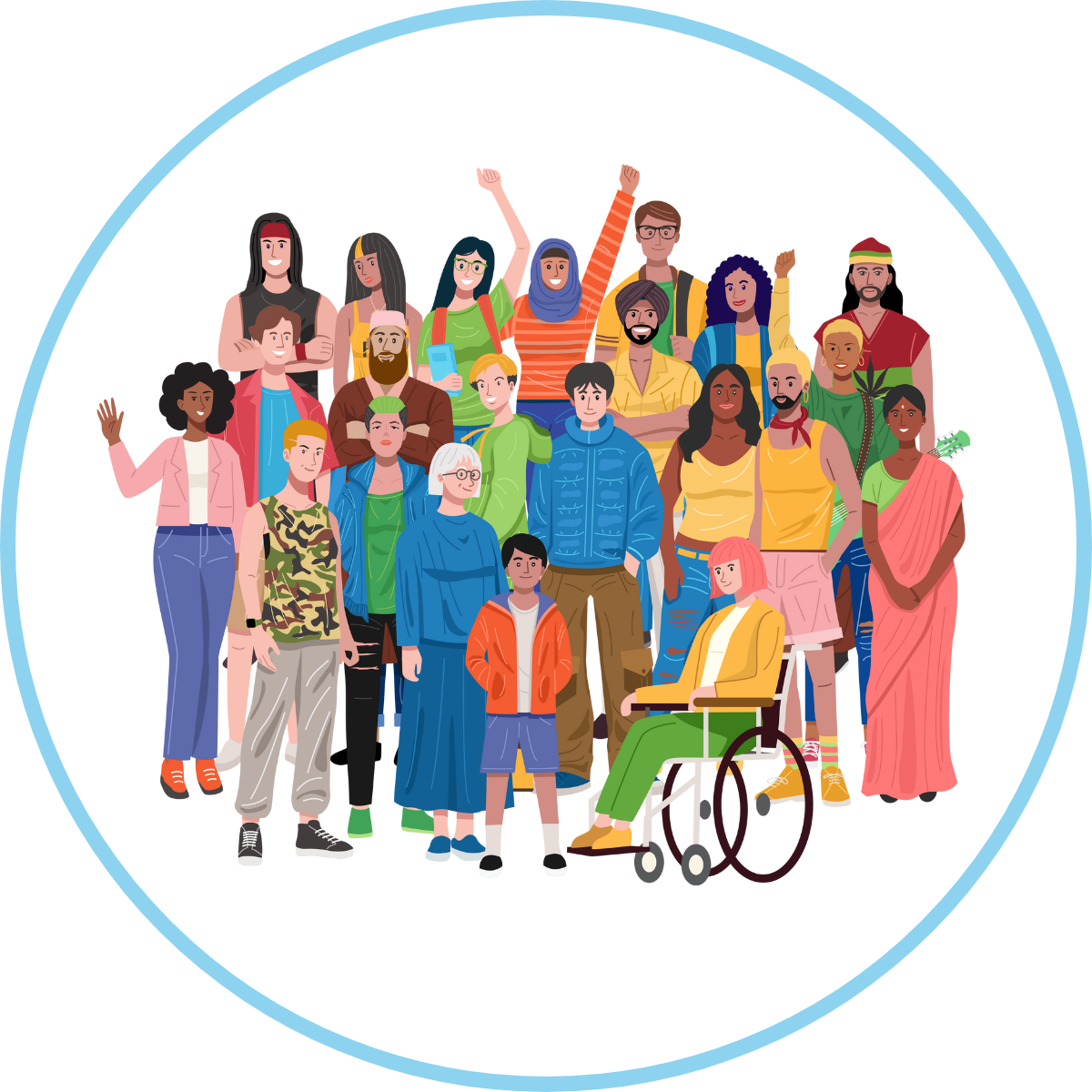
Priority populations include those who are from underserved communities who have unmet healthcare needs, including but not limited to:
- People living in areas of deprivation
- People who experience ethnic health inequalities*
- People from LGBTQIA+ communities
- People experiencing homelessness or rough sleeping
- People in social housing
- Older adults
- Children and young people
- People with neurodiversity
- People with mental health issues
- People with disabilities / learning disabilities
- People with long term conditions
- People previously or currently in the military, and their families
- People from Gypsy, Roma, Traveller or Boater communities
- People in contact with the justice system
- People who have had contact with the care system
- People experiencing substance misuse
- People from rural communities
- People who are refugees / vulnerable migrants
- People in routine and manual work
- People in sex work
- People experiencing poverty
- People experiencing fuel poverty or food insecurity
- People who are digitally excluded
* People who experience ethnic health inequalities: Arab, Asian Chinese, Asian Indian, Asian Pakistani, Asian other, Black African, Black Caribbean, Black other, White Gypsy Roma Traveller, White Irish, White other, Mixed White and Black, Mixed White and Asian, Mixed other.
How to apply
Applications are now closed.
FAQs
Can I apply for more than one project?
Yes, but each project must be submitted as a separate application and meet the funding criteria independently.
Can I apply in partnership with another organisation?
Yes. Partnership bids are welcome but one organisation must act as the lead and hold the bank account for receiving funds.
What costs can the funding cover?
Funding can be used for:
- Staff hire
- Venue hire
- Materials and resources
- Travel and outreach costs
- Communications and promotional activity
What reporting is required if successful?
Successful projects must:
- Provide monthly updates to the SWAG team
- Share case studies and impact data
- Submit a final report at project completion
- You may be asked to present at SWAG or regional events
Can previously funded projects apply again?
No, this scheme is for new initiatives only. Projects that are an extension of previously funded SWAG work are not eligible. If however, you have a project that has been successful outside of SWAG and wish to bring it to our region, then you may apply.
