


From symptoms to support: what you need to know about Lymphoma
It’s easy to dismiss swollen lymph nodes or fatigue as stress or a lingering cold but for thousands of people each year, these symptoms could be the first signs of lymphoma.
 This World Lymphoma Day, we spoke with Dr Sanne Lugthart, a Consultant Haematologist from University Hospitals Bristol and Weston NHS Foundation Trust (UHBW) to help raise awareness about lymphoma, its symptoms, and the treatment and support available.
Over 14,000 people are diagnosed with lymphoma each year in the UK, making it the most common blood cancer, however it remains one of the more difficult cancers to detect, with many of it’s symptoms appearing subtle or being mistaken for other illnesses.
Lymphoma is a type of blood cancer that affects the immune system. It’s most common signs include enlarged lymph nodes, night sweats, extreme fatigue, weight loss or persistent flu-like symptoms. Due to these symptoms often being mistaken for other illnesses, lymphoma is often diagnosed at a later stage, when it can be harder to treat.
Dr Lugthart mentioned that “it’s vital that patients, families, and healthcare professionals keep lymphoma in mind as a possible diagnosis”.
Recognising the signs
A key red flag is swollen lymph nodes that persist for more than six weeks and continue to grow. Anyone who has these symptoms should attend their GP and mention the possibility of lymphoma. There is a dedicated two-week pathway for suspected lymphoma cases, helping patients receive a diagnosis, and access specialist care quickly, in instances where lymphoma is identified.
“Lymphoma is generally not genetic and there is usually no clear cause, so it’s important to emphasise that patients haven’t done anything wrong when they receive a diagnosis, particularly if it’s late stage, it’s just that one of the lymph node cells has gone wrong,” says Dr Lugthart.
Advances in treatment
There are over 60 different subtypes of lymphoma, broadly grouped into Hodgkin and Non-Hodgkin Lymphomas, each with their own treatment approach.
The treatment landscape for lymphoma is evolving rapidly, with two major changes being the CAR-T cell therapy. A CAR-T cell is a type of white blood cell (T-cell) from a patient that has been genetically engineered in a laboratory to find and destroy cancer cells. This treatment results in around 40% of patients experiencing a durable response.
For patients who experience multiple relapses of lymphoma, a new innovative treatment called bispecific antibodies can link T cells to lymphoma cells, helping the immune system to destroy the cancer, with early results showing response rates of 50 to 60%.
“These therapies represent a shift towards personalised medicine, offering new hope for patients who previously had very limited options,” said Dr Lugthart.
The importance of holistic support
As treatments become more complex and patients live longer with lymphoma, the need for support grows. Clinical Nurse Specialists (CNSs) and specialist pharmacists are essential in guiding patients through their journey.
At UHBW, patients benefit from a multidisciplinary support team, including psychologists, cancer support workers, and a dedicated post-treatment clinic. “This clinic helps patients understand long-term side effects and supports their emotional wellbeing. Feedback has been overwhelmingly positive – patients feel seen, heard, and supported.”
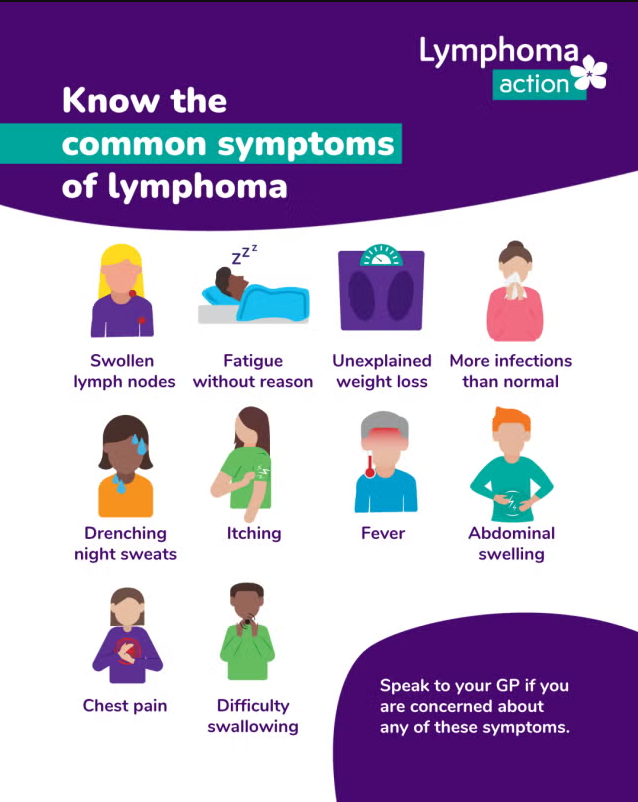 This World Lymphoma Day, we encourage everyone to:
- Know the symptoms
- Act early if something doesn’t feel right
At SWAG Cancer Alliance, we are committed to supporting those living with and beyond lymphoma and championing the vital role of our cancer workforce. Together, we can raise awareness, improve early diagnosis, and ensure every patient receives the care and support they deserve.
Support and signposting are essential parts of the lymphoma journey—whether you’re newly diagnosed, undergoing treatment, or navigating life beyond cancer. Below are trusted resources offering emotional, practical, and clinical support for patients, families, and carers.
Lymphoma Action: The UK’s only charity dedicated solely to lymphoma providing a free helpline, online support meetings and groups, and guidance for preparing for treatment.
Support for you | Lymphoma Action
Blood Cancer UK: Supports people affected by all types of blood cancer, including lymphoma. Support services include a free phone and email support system, online community forum, and resources for carers and families.
Blood cancer support | Blood Cancer UK
To find out more about the different types of lymphoma, head to the NHS website:
