

Southwest Radiotherapy Late Effects Services (SWRLES): Improving personalised care for patients following treatment
The Challenge
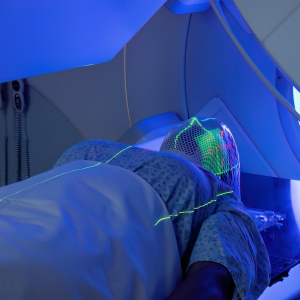 While cancer survival rates continue to improve, a significant proportion of patients experience long-term side effects from treatments following radiotherapy. These late effects – such as bowel and bladder issues, fatigue, and pain – pose a significant challenge for cancer survivors, often resulting in long-term physical and emotional difficulties that impact their quality of life. Historically, patients in the Southwest (Somerset, Wiltshire, Avon, and Gloucestershire) had limited access to specialist support, leading to repeated GP visits, emergency admissions, and referrals to distant national centres.
This gap in care meant patients struggled to find appropriate help, while clinicians lacked clear pathways for managing these complex symptoms. The absence of local services created inefficiencies and increased healthcare costs. Addressing this challenge was essential to improve patient outcomes, reduce system strain, and align with NHS goals for personalised, equitable cancer care.
Our Approach
In 2022, the Southwest Radiotherapy Late Effects Services (SWRLES) was launched as a two-year pilot, funded by Macmillan Cancer Support and supported by the SWAG Cancer Alliance. The SWRLES aim is to support people living with long term effects caused by radiotherapy treatment to have prompt access to local and regional services.
Key elements of the approach included:
- Regional Service Expansion: Clinics were established in Bristol, Bath, Cheltenham, Exeter, Torbay, Truro, and strengthened in Somerset.
- Radiographer Led Clinics: Specially trained radiographers lead clinics, manage referrals, and provide holistic patient-centred care.
- Streamlined Care Pathways: An appropriate care pathway was developed to ensure efficient tirage of patient care.
An independent evaluation using patient and carer feedback, healthcare data, and staff feedback was commissioned, which evidenced positive impact on personalised care for patients in the region following roll out of SWRLES.
What does this mean
For patients: SWRLES offers timely, local access to expert support, reducing the need for multiple appointments and long-distance travel. Patients report feeling heard, supported, and better able to manage their symptoms. 88.2% experienced improved quality of life after using the service.
For the workforce: the model enhances job satisfaction and professional development. Staff report improved multidisciplinary collaboration and reduced pressure on oncology clinics. 51% of staff from other services said their workload decreased due to the introduction of the SWRLES
Impact to Date
 SWRLES plays a crucial role in improving health outcomes for cancer survivors by delivering specialised, local, person-centred care for managing radiotherapy-related complications. This model of care not only enhances patient outcomes but also reduces reliance on secondary and emergency care while demonstrating potential cost avoidance for the wider healthcare system. By addressing the unmet needs of adult cancer survivors, RLES aligns with broader NHS objectives of delivering personalised cancer care.
- 1306 referrals as of March 2025, exceeding expectations and demonstrating unmet need.
- 99% of patients reported a positive impact, and 791 patients had been appropriately discharged from the service, showing effective symptom management.
- Patients describe the SWRLES as “invaluable”, “reassuring”, and “essential to my recovery”.
- Staff describe the service as essential for managing complex side effects. “Patients need to see the right person in the right place and for the right amount of time and this is what the late effects services provide”.
- Data demonstrates substantial cost avoidance. In Somerset alone, cost avoidance across specialties hit £96,914 by March 2025
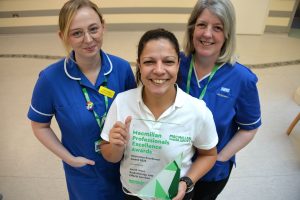
- SWRLES won an Innovation Excellence award for their collaboration across the South West of England, setting the benchmark for best practice across the UK and positioning the region as a leading example
Furthermore, the service has resulted in reductions in outpatient appointments, non-elective admissions, and Emergency Department (ED) visits; with a cost avoidance of £774,000 in non-elective hospital admissions since its launch.
SWRLES has now been commissioned as a permanent service across the Somerset, Wiltshire, Avon and Gloucestershire region.
Next Steps
While many patients experience improvements in quality-of-life following referral to SWRLES, some continue to face significant challenges. Patient feedback has also highlighted the need of personalised, face-to-face consultations and improved access to and education on managing late effects.
Lessons learned from the SWRLES pilot include the importance of early referral, consistent data collection, and empowering radiographers to lead care.
Plans are underway to:
- Expand digital tools for data collection and patient engagement (e.g., online surveys, dashboards).
- Explore community-based care pathways to treat patients closer to home.
- Evaluate primary care impact to understand further cost savings.
- Share best practice nationally, supporting equitable access across England.
Further focus groups and staff consultations will inform ongoing improvements.
