

Liver Cancer Awareness Month: Catching Liver Disease Early Saves Lives
 Primary Liver cancer is one of the fastest-rising causes of cancer death in the UK. Yet, it often goes undetected until it’s too late. At Somerset Wiltshire Avon & Gloucestershire (SWAG) Cancer Alliance, we’re working with partners across the region to change that by supporting innovative programmes like ‘Alright My Liver’ and NHS England’s early detection of liver cancer to catch liver disease early and improve outcomes.
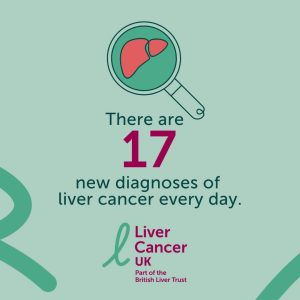
Liver cancer is the 18th most common cancer in the UK but the 8th most common cause of cancer death. Around 6,200 people are diagnosed with liver cancer each year in the UK, yet only 3 in 10 are diagnosed at an early stage.
90% of liver cancers develop in people with liver cirrhosis, a condition that often has no symptoms until it’s advanced. Cirrhosis is long-term scarring of the liver caused by liver disease. It usually takes years to develop but most people have no symptoms and may only know they have a liver condition if it is found by accident.
Liver cancer can only be effectively treated when the patient is still well. Once symptoms appear, such as jaundice, swelling, or fatigue, it often means the disease has progressed to a stage where treatment options are limited, and outcomes are poorer. That’s why early detection is key.
Liver disease has multiple possible causes; it can result from alcohol consumption, chronic viral hepatitis, autoimmune liver diseases, metabolic conditions such as fatty liver and Metabolic Dysfunction-Associated Steatotic Liver Disease (MASLD), and other less common causes.
Alcohol-related liver disease (ARLD) is a condition where the liver has been damaged by alcohol. It is a common misconception that you need to be addicted to alcohol to be at risk of ARLD, however, even regular or social drinking can put you at risk. Up to 1 in 5 people in the UK drink alcohol in a way that could harm their liver.
Gary’s Story: The Power of Surveillance
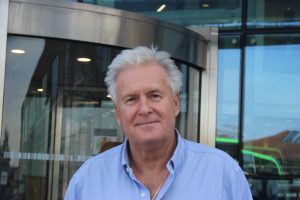 Gary Stuart Mitchell was diagnosed with liver cancer after two lesions were found through a routine ultrasound as part of the liver cancer surveillance programme.
He had no symptoms and lived a generally healthy lifestyle – his only risk factor was regular social drinking but never considered that this would put him at risk of liver disease or liver cancer. His experience highlights how liver disease can affect anyone, even those who don’t feel like they fit the typical profile.
“You never think it’s going to happen to you, but it does,” Gary says. “Once you’re in that system, it’s fantastic. Every six months they keep an eye on me. If you can detect it in its early stages, like mine was, those cancers can hopefully be treated.”
Gary’s story highlights the importance of six-monthly ultrasounds and blood tests, including checks for liver function and cancer markers like alpha-fetoprotein, for people with cirrhosis.
Katharine Caddick, a Consultant Nurse in Hepatology for North Bristol NHS Trust, said: “Anybody walking around could have liver cirrhosis, they would not necessarily have any symptoms, and so unless we are able to identify cirrhosis, we can’t screen patients for liver cancer.”
Sarah’s Story: Alright My Liver?
 Sarah Woodrow was fast-tracked into the ‘Alright My Liver’ programme after noticing her liver test results creeping up. She received a FibroScan, a quick, non-invasive test that checks liver stiffness, a key indicator of scarring and cirrhosis.
Sarah was diagnosed with MASLD, which is a long-lasting liver condition that can lead to liver cancer. She now has six-monthly checks on the liver surveillance programme to check for any early signs of cancer.
“‘Alright My Liver’ are amazing, they do it so quickly and they’re so friendly. You actually feel like somebody is looking at you and treating you like a person. They’ve helped me with my diet, encouraged me to exercise.”
Hepatology Specialist Registrar Dr Annie Archer from University Hospitals Bristol NHS Foundation Trust (UHBW) explains: “Most people are diagnosed with liver disease at a very advanced stage. We want to meet people earlier in their journey when we can make more of an impact.”
‘Alright My Liver’ offers screening events and referrals into surveillance programmes, all designed to catch liver disease early and prevent progression to liver cancer.
One in 3 of us are at risk of developing liver disease. Discovering if you are at risk at an early stage means you can make lifestyle changes and get support before serious problems occur.
What you can do
- Check your liver health: If you have risk factors like alcohol use, obesity, or a history of liver problems, ask your GP about liver screening or take the free online screener from the British Liver Trust here: Love Your Liver screener – British Liver Trust
- Attend local screening events: Programmes like Alright My Liver run drop-in clinics across the region. Find out more at Alright My Liver.
- Know the signs: Liver disease can be silent. Don’t wait for symptoms – early testing saves lives.
