


How we are delivering on National Cancer Plan ambitions across SWAG
 We are pleased to see the publication of the National Cancer Plan by the Department of Health and Social Care on this World Cancer Day 2026. Here at SWAG Cancer Alliance, we support the commitments to ensuring more people survive cancer, are diagnosed earlier and faster, and receive more personalised support.
Each year, there are around 50,000 cancer diagnoses in the South West. The plan sets out a long-term ambition that from 2035 onwards, three in four people diagnosed with cancer will be cancer-free or living well five years after diagnosis. The plan itself is structured around 6 key themes:
- Driving up NHS cancer performance
- Becoming a global leader in cancer outcomes by 2035
- Designing cancer care around people’s lives
- Delivering world class cancer care through world class research
- Tackling cancer in children and young people
- Prioritising rare and less common cancers
It also outlines some key national reforms that will directly support improvements in cancer care, including expanding robot-assisted surgery, a £2.3 billion investment in faster diagnosis, which will provide 9.5 million additional tests by 2029, specialist cancer centres for patients with rarer cancers, genomic testing for all patients to understand and tailor most effective treatments, and reduction in cancer waiting times.
SWAG-wide work aligned to the National Cancer Plan
Faster pathways and earlier diagnosis
Across Somerset, Wiltshire, Avon and Gloucestershire (SWAG) we have already been delivering some programmes that directly support earlier and faster diagnosis.
 Early diagnosis rates across SWAG have risen to 62.3%, exceeding the national average of 60%. This means that out of every 100 people diagnosed with cancer, around 62 are being diagnosed at an early stage (Stage 1 or 2) when it is easier to treat.
The Days Matter improvement programme has also helped to boost faster diagnosis across urology and colorectal pathways, with Urology improving by 19.6% and Colorectal by 11.9%.
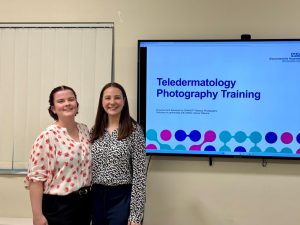
Teledermatology is also now active across every hospital site in SWAG’s footprint, allowing dermatology consultants to remotely review high-quality images, significantly reducing patient waiting times and allowing for faster onward referral or discharge.
Becoming leaders in cancer outcomes and innovations
Many innovative and transformative work is already taking place across SWAG. For example, the Digital Breast Self-Referral Service in Somerset, which we were thrilled to see featured as a positive case study in the national plan. Somerset NHS Foundation Trust has introduced England’s first digital self‑referral pathway for breast cancer symptoms, enabling patients to refer themselves directly to diagnostic clinics via NHS 111 online or the NHS App. So far, this has enabled over 850 self-referrals and 48 cancer diagnoses, as well as freeing up GP capacity.
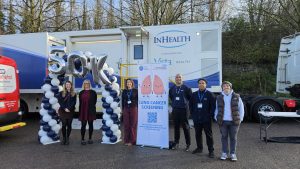 Since 2022, our Lung Screening Programme has been one of the strongest performing nationally, with over 145,000 invitations sent to eligible people to attend their free lung health check, 92,000 of which have been taken up, diagnosing over 400 lung cancers. Over two thirds of which were at Stages 1 or 2 – when they are easier to treat.
Primary care teams across SWAG have also been piloting the capsule sponge test – a simple, non-invasive test that helps detect Barrett’s Oesophagus, a precursor to oesophageal cancer, one of the rarer cancers. Find out more on this here: Innovating Early Diagnosis: EndoSign® Capsule Sponge Testing for Barrett’s Oesophagus in Primary Care
New SWAG-funded case-finding pilots are soon to be underway to test innovative early detection approaches across bladder cancer and LEGO-C cancers (lung, endometrial, gastric, oesophageal, and colorectal) – some of the rarer cancers. These will identify new and proactive ways of finding high-risk patients within primary care, enabling onward referrals for checks before symptoms of later stage cancers appear.
We also continue to fund a number of innovation and research projects, in partnership with the Health Innovation Network West of England as part of our Cancer Innovation Strategy, helping to bring promising ideas into real-world practice.
Empowering our communities and designing people-centered cancer care
We have recently committed to investing over £250,000 in local projects with community groups, charities, and local organisations to address health inequalities and improve early diagnosis among underserved communities. Alongside this, we have also funded four new personalised care projects across SWAG, ensuring that people with cancer receive tailored support throughout their treatment and recovery.
With much more work ongoing across SWAG, we recognise the hard work of all our colleagues, who everyday work tirelessly to deliver the highest quality cancer care they can and we look forward to the opportunities that the National Cancer Plan brings to build on this work – something that we know will be met with passion and dedication from our workforce.
The national plan also set out the significant challenges facing cancer services nationally, pressures that we know our colleagues experience every day. These challenges underline the need for system-wide change in how we deliver cancer care across our footprint.
SWAG Clinical Director, Helen Winter, said:
“The national cancer plan is an opportunity for us all to refocus and recommit to the already brilliant work happening across SWAG’s footprint. It also challenges us to be bold, especially in tackling the persistent health inequalities that shape people’s experiences and outcomes across our region.
