


Innovating Early Diagnosis: EndoSign® Capsule Sponge Testing for Barrett’s Oesophagus in Primary Care
Barrett’s oesophagus (BO) is the only known precursor to oesophageal adenocarcinoma – a cancer with one of the lowest survival rates when diagnosed late. Yet, over 90% of people with BO remain undiagnosed, missing the opportunity for monitoring and early treatment that could save lives.
Two primary care practices are taking part in an innovative pilot project to tackle this challenge head on, Minchinhampton Surgery in Gloucestershire and the Somer Valley Medical Group in North East Somerset.
The pilot is part of the Cancer Innovation Programme, delivered in partnership by the SWAG Cancer Alliance and Health Innovation West of England.
The Problem
- Gastro-Oesophageal Reflux Disease (GORD) is common – up to 20% of people experience GORD symptoms at some point.
- Around 10% of patients with persistent reflux develop BO, which carries a 7.5 – 12.5% lifetime risk of progressing to cancer.
- Oesophageal cancer often presents late, with 70% diagnosed at an advanced stage. Survival rates drop from 30–55% at stage 1–2 to 0% at stage 4.
Traditional diagnosis of BO and oesophageal cancer relies on endoscopy, which can be delayed due to hospital waiting times and requires clinicians to identify high-risk patients. This means many cases are missed.
The Innovation
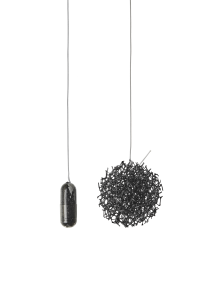 The Cyted Health EndoSign® capsule sponge test offers a simple, non-invasive way to triage patients in primary care. Here’s how it works:
- The patient swallows a capsule containing a sponge.
- After 7 minutes, the capsule dissolves, and the sponge is withdrawn, collecting oesophageal cells.
- Samples are analysed by Cyted Health’s pathology team for biomarkers indicating BO or early cancer.
- Positive results fast-track patients for endoscopy and treatment.
This approach enables earlier detection, prioritises endoscopy for those at highest risk, and supports NHS England’s ambition to diagnose 75% of cancers at stage 1 or 2 by 2028.
When BO is detected early, patients can be monitored and treated before cancer develops, increasing survival rates to 80%.
The real-world evaluation
Both Minchinhampton Surgery and the Somer Valley Medical Group have each identified 150 patients at increased risk of BO who have not had an endoscopy in the last five years. By offering capsule sponge testing in the practice, they aim to detect undiagnosed BO and prevent progression to cancer.
This real-world evaluation is exploring how the test is integrated into primary care workflows, its acceptability to patients and clinicians, and potential barriers to adoption.
By gathering insights from patients who undergo the test, as well as from healthcare professionals involved in its delivery, this evaluation will provide a deeper understanding of real-world implementation challenges and enablers.
The findings will help inform future decisions on how best to incorporate the EndoSign® Capsule Sponge test into primary care, enhance patient pathways, and could transform how we identify and manage patients at risk of oesophageal cancer.
Dr Charlie Andrews from the Somer Valley Medical Group said: “We have completed our project and have found that it has been very well-received by patients who have valued the local, community setting of the service, as well as the reassurance that the test can provide in terms of Barrett’s oesophagus risk.
“It has enabled us to more accurately identify and risk-stratify those at higher risk of BO, ensuring swifter endoscopy for this group of patients.
“Incorporating the capsule sponge test within the day-to-day work of the practice has been seamless and has complemented our practice desire to improve early cancer diagnosis. It has also been enjoyable for the staff involved, who have been able to expand their clinical skills and knowledge.”
The evaluation of the pilot is funded by the SWAG Cancer Alliance and led by Health Innovation West of England in partnership with Unity Insights.
The findings will be published in 2026.
Learn more about SWAG Cancer Alliance’s innovation projects and how we’re driving earlier cancer diagnosis across the region: Innovation Strategy
