

Celebrating World Radiography Day: South West Late Effects Team
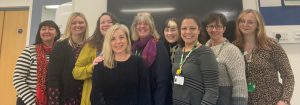 Radiotherapy is a key element of modern cancer treatment, enabling thousands of people to live longer after a cancer diagnosis. But with this progress comes a challenge: 1 in 4 people live with the long-term effects of cancer and its treatments, and radiotherapy late effects can significantly impact quality of life. The South West Radiotherapy Late Effects Services (SWRLES), established by The Southwest Radiotherapy Departments, Macmillan Cancer Support, and Somerset, Wiltshire, Avon and Gloucestershire Cancer Alliance, were created to address this need.
Their mission was clear – produce evidence to justify dedicated radiotherapy late effects services and deliver care that truly makes a difference. What began as the first project of its kind has grown into the first regional late effects service in the UK, setting a benchmark for patient-centred innovation.
We caught up with Samantha Bostock, Consultant Radiographer from the SW Late Effects Team to discuss the impact and importance of having a dedicated service.
Why This Matters
“Radiotherapy late effects can be debilitating – physical pain, emotional distress, intimacy difficulties are all examples of the symptoms people can experience following radiotherapy treatment for cancer,” says Samantha.
Symptoms vary depending on the treatment area but may include:
- Altered bowel and bladder function
- Fibrotic changes leading to pain and reduced mobility
- Swallowing difficulties and thickened mucus
- Hormonal changes, fatigue, and chronic pain
These issues often affect daily life, work, and relationships. Without specialist support, patients can feel isolated and overwhelmed.
Our Impact
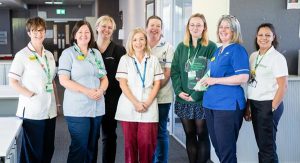 The team was tasked with seeing 600 patients during the project but demand far exceeded expectations, with over 1,300 referrals. Each patient receives holistic, personalised care from highly skilled therapeutic radiographers who:
- Correlate symptoms with treatment plans
- Rule out recurrence or new disease
- Create joint action plans for symptom management
- Offer prescribing, lifestyle advice, and emotional support
This approach reduces unnecessary referrals, multiple appointments, and pressure on secondary services such as gastroenterology. It also improves quality of life and delivers substantial cost savings for the NHS by avoiding outpatient visits, emergency admissions, and non-elective care.
Recognition and Growth
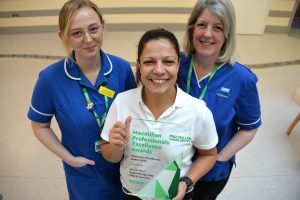 The work of the SWRLES has been widely recognised, winning both the Innovation Award at the Macmillan Professional Excellence Awards in 2023 and the Team of the Year Award at the Society of Radiographers Awards in 2024.
Initially spanning Bath, Bristol, Cheltenham, Exeter, Taunton, Torbay, and Truro, the service now includes Plymouth and continues to expand as new late effects teams are recruited.
Collaboration and Future Vision
“We work closely with other professionals, including physiotherapists, dietitians, speech and language therapists, and specialist services such as gastroenterology and urology. Partnerships with national organisations like the Pelvic Radiation Disease Association and DDRC Medical Hyperbaric Oxygen Chamber are vital in ensuring patients receive timely, effective care,” says Samantha.
Looking ahead, we aim to:
- Raise awareness of radiotherapy late effects among patients and healthcare professionals
- Proactively identify at-risk patients during treatment planning
- Screen early and intervene sooner, reducing long-term impact
- Share our data and model nationally and internationally to support wider implementation of radiographer-led late effects services
“Radiotherapy is often under-recognised as an integral part of cancer treatment, and the late effects can be life-changing. Our goal is simple: to ensure that living longer after cancer also means living well. By creating a service that listens, understands, and acts, we’ve shown what radiographers can achieve when given the tools and trust to lead,” says Samantha.
Radiographers are at the heart of cancer care, not only during treatment but long after. On World Radiography Day, we celebrate their expertise, compassion, and innovation. The South West Late Effects Team exemplifies how radiographers transform lives, ensuring that cancer survivorship is not just about living longer but living well.
