


Meet Charlie: Youth Support Coordinator supporting teenagers and young adults with cancer
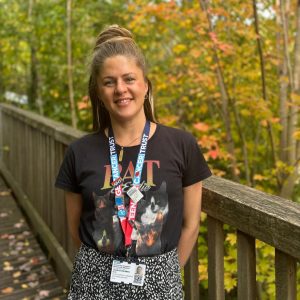 For International Youth Day, we caught up with Youth Support Coordinator at Bristol Haematology and Oncology Centre (BHOC), Charlie Wadman, to discuss the unique challenges that teenagers and young people face when diagnosed with cancer.
Charlie supports teenagers and young adults aged 16 to 24, helping them navigate the emotional, social, and practical challenges of cancer at such a pivotal and transformative time in their lives.
Charlie’s role is dual-funded by Teenage Cancer Trust and Bristol & Weston Hospitals Charity, and she describes it as “abstract and bespoke” because no two days are the same. From organising monthly peer support events in the community to offering one-on-one emotional support, Charlie adapts to the unique needs of each young person.
“Some just want someone to chat to or play pool with. Others need deeper emotional guidance. It’s all about meeting them where they are.”
She supports young people from diagnosis through to two years post-treatment, recognising that the psychological impact often surfaces after their clinical journey ends.
Why Young People Need Something Different
Charlie is passionate about working with young people because she remembers how hard it is to be young, even without cancer.
“It’s such a pivotal age. You’re gaining independence, figuring out who you are. They are going through so many life changes already – education, relationships, identity, and cancer can throw all of that into chaos. My job is to help them feel seen, heard, and supported.”
She highlights the unique challenges faced by this age group, from disrupted independence to isolation from peers, missing education, body image and identity struggles, mental health impact, and sometimes even having to make premature decisions around fertility and their future.
“Young people are often misunderstood and underrepresented. But with the right support and advocacy, they can flourish. I think it’s very important for young people to be seen as who they are, not just a statistic or a patient, which can help them engage better with medical professions or and ultimately have better outcomes.”
A Moment That Stuck
One story that stayed with Charlie was from a recent ring-making workshop she organised as part of a peer support event. A young patient receiving palliative care attended with his dad.
“He made a ring for his sister, stamped with his nickname, so she’d have something when he’s gone. His dad made one for him, which would be passed to his mum. It was so powerful and raw, but a really beautiful moment.”
These moments, Charlie says, allow families to connect and express their love and emotions in ways that feel natural and meaningful.
Joined-Up Care Across SWAG
 Although based in Bristol, Charlie supports young people from across the South West, including outreach to those treated in Bath and other designated hospitals. She works closely with clinical teams, attending ward meetings and multidisciplinary discussions to ensure care is joined-up and holistic.
“We’re a tight-knit team. I sit with clinical nurse specialists, and we’re constantly sharing insights to support the whole person, not just the patient.”
Charlie also advocates for better awareness among healthcare professionals:
“Be curious. Listen to what young people are saying, not what you think is happening. I think young people are so much more insightful and resilient than people think, and they know themselves better than we think they do.”
Looking Ahead
Charlie’s hope for the future is clear:
“My biggest hope is that there’s continued focus and investment on the frontline well-being and support for young people and the investment in the community and opportunities for that. I think we see so much like divestment away from like charities and opportunities for young people but actually they’re the things that have the biggest impact.”
As we celebrate International Youth Day, Charlie’s work reminds us that being seen and heard can change everything. Her role is a testament to the power of personalised, youth-specific support, and the difference it makes in the lives of young people with cancer.
“It’s amazing. When you feel like you’ve really been of service to someone and you see them thrive and do really well or they get access to an opportunity that really ignites something in them, it really is amazing.”
For more information on Teenage Cancer Trust and their work, visit Teenage Cancer Trust | UK Cancer Charity
